Built-in vs Freestanding Fireplaces: Pros and Cons
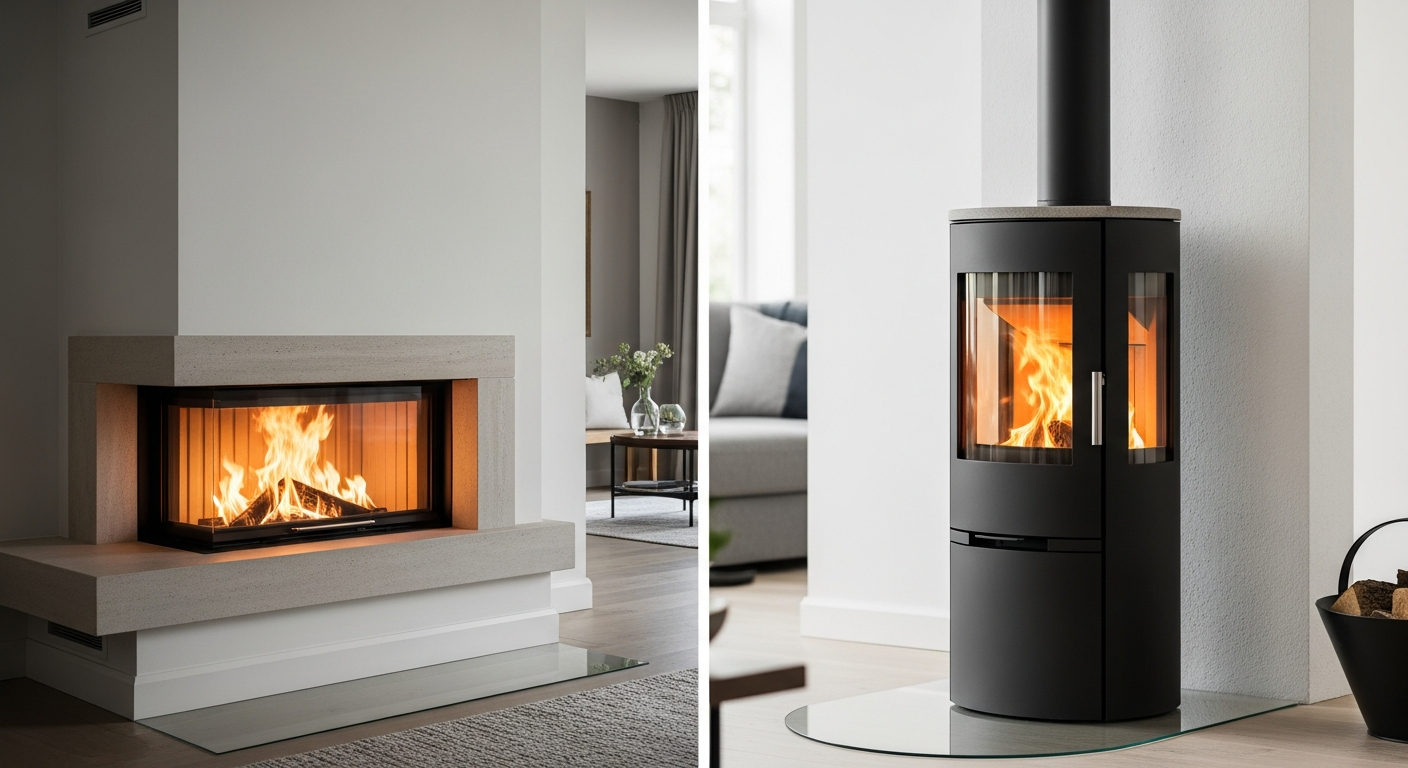
Choosing between a built-in and freestanding fireplace is a fundamental decision that affects installation, design, flexibility, and cost. This comprehensive comparison helps you understand the differences and choose the right option for your Romanian home.
Built-in Fireplaces
What They Are
Definition:- Integrated into wall or structure
- Permanent installation
- Part of architecture
- Built into construction
- Permanent feature
- Flush or recessed installation
- Integrated appearance
- Permanent room feature
- Architectural element
- Built-in design
Advantages
Architectural Integration:- Seamless integration
- Part of room design
- Professional appearance
- Integrated look
- Better design
- Doesn't take floor space
- Integrated into wall
- Space-saving
- More floor space
- Efficient use
- Custom surrounds possible
- Integrated materials
- Design coordination
- Custom appearance
- Design freedom
- Permanent room element
- Adds value
- Long-term feature
- Architectural element
- Permanent addition
Disadvantages
Installation Complexity:- Requires structural work
- More complex installation
- Higher installation costs
- Longer timeline
- More work
- Permanent installation
- Can't be moved
- Less flexible
- Committed to location
- Fixed placement
- More expensive installation
- Structural work needed
- Higher total cost
- More investment
- Cost consideration
- Early planning needed
- Design coordination
- Structural planning
- More planning
- Advance planning
Freestanding Fireplaces
What They Are
Definition:- Stands independently
- Not built into structure
- Takes floor space
- Flexible placement
- Standalone unit
- Freestanding design
- Flexible placement
- Takes floor space
- Can be moved (with limitations)
- Independent unit
Advantages
Installation Simplicity:- Simpler installation
- Less structural work
- Faster installation
- Lower installation costs
- Easier process
- Flexible placement
- Can position where needed
- More options
- Flexible location
- Better placement
- Can be moved (with limitations)
- More flexible
- Can relocate
- Less permanent
- Flexibility advantage
- Lower installation costs
- Less structural work
- More affordable
- Better value
- Cost advantage
- Easier to add later
- Less construction
- Simpler retrofit
- Better for existing homes
- Easier addition
Disadvantages
Takes Floor Space:- Requires floor space
- Takes up room
- Space consideration
- Less floor space
- Space requirement
- Less integrated appearance
- Standalone look
- May look less built-in
- Different aesthetic
- Less integrated
- Still needs clearances
- Placement limitations
- Clearance requirements
- Not completely flexible
- Some constraints
- May appear less permanent
- Different aesthetic
- Less architectural
- Consider appearance
- Aesthetic factor
Detailed Comparison
Installation Comparison
Built-in Installation:- Structural work required
- Framing needed
- More complex
- Higher costs (€1,000-€5,000+)
- Longer timeline (3-7 days)
- Less structural work
- Simpler process
- Lower costs (€500-€2,000)
- Faster timeline (1-3 days)
- Easier installation
Design Impact
Built-in Design:- Integrated appearance
- Seamless look
- Professional design
- Architectural element
- Better integration
- Standalone appearance
- More casual look
- Different aesthetic
- Less integrated
- Different style
Space Considerations
Built-in Space:- No floor space taken
- Integrated into wall
- More floor space
- Space-efficient
- Better space use
- Takes floor space
- Requires clearance
- Less floor space
- Space requirement
- Consider space
Flexibility Comparison
Built-in Flexibility:- Permanent installation
- Can't be moved
- Fixed location
- Less flexible
- Committed placement
- Can be moved (with limitations)
- More flexible
- Can relocate
- Better flexibility
- More options
Cost Comparison
Built-in Costs:- Product: Similar prices
- Installation: €1,000-€5,000+
- Finishing: €500-€5,000+
- Total: Higher costs
- Product: Similar prices
- Installation: €500-€2,000
- Finishing: Less needed
- Total: Lower costs
When to Choose Built-in
Best Scenarios
New Builds:- Building new home
- Can plan integration
- Early planning possible
- Best integration
- Perfect timing
- Complete renovation
- Structural work planned
- Opportunity for integration
- Good timing
- Best integration
- Want integrated look
- Design is priority
- Want seamless appearance
- Professional design
- Best integration
- Want to save floor space
- Space is limited
- Efficient use needed
- Space priority
- Better space use
- Want permanent feature
- Long-term addition
- Architectural element
- Permanent design
- Long-term feature
When to Choose Freestanding
Best Scenarios
Existing Homes:- Adding to existing home
- Don't want major work
- Easier addition
- Simpler process
- Good choice
- Want placement flexibility
- Need to position carefully
- Flexible location
- Better placement
- Flexibility priority
- Budget constraints
- Want lower costs
- Cost-conscious
- Better value
- Cost priority
- Want simpler installation
- Less disruption
- Faster process
- Easier addition
- Simplicity priority
- May relocate
- Want flexibility
- Less permanent
- Can move
- Flexibility needed
Hybrid Options
Semi-Built-in
Characteristics:- Partially integrated
- Some built-in elements
- Some flexibility
- Compromise option
- Middle ground
- Some integration
- Some flexibility
- Compromise
- Balance factors
- Good option
- Still requires work
- Less flexible than freestanding
- Less integrated than built-in
- Compromise
- Consider carefully
Decision Framework
Choose Built-in If:
✅ Building new home
✅ Major renovation planned
✅ Design integration priority
✅ Want to save floor space
✅ Want permanent feature
✅ Budget allows
✅ Early planning possible
Choose Freestanding If:
✅ Adding to existing home
✅ Want placement flexibility
✅ Lower budget
✅ Want simpler installation
✅ May move later
✅ Don't want major work
✅ Flexibility priority
Cost-Benefit Analysis
Built-in Investment
Higher Initial Cost:- More expensive installation
- Structural work needed
- Higher total cost
- More investment
- Better integration
- Adds more value
- Permanent feature
- Better design
- Professional result
- Better resale value
- More permanent addition
- Better integration
- Worth investment
- Long-term value
Freestanding Investment
Lower Initial Cost:- Less expensive installation
- Simpler process
- Lower total cost
- Better value
- More flexible
- Can relocate
- Easier changes
- Better flexibility
- More options
- Lower investment
- Good value
- Flexible solution
- Cost-effective
- Good choice
FAQ
Q: What's the main difference between built-in and freestanding?A: Built-in fireplaces are integrated into wall/structure (permanent, no floor space). Freestanding fireplaces stand independently (flexible placement, takes floor space).
Q: Which costs more to install?A: Built-in typically costs more (€1,000-€5,000+) due to structural work. Freestanding costs less (€500-€2,000) due to simpler installation.
Q: Can freestanding fireplaces be moved?A: Yes, with limitations. Requires flue modifications. Can be relocated but adds cost. More flexible than built-in but not completely portable.
Q: Which adds more value to my home?A: Built-in typically adds more value due to permanent integration and professional appearance. Both add value, built-in usually more.
Q: Do built-in fireplaces take floor space?A: No. Built-in fireplaces are integrated into wall/structure and don't take floor space. Freestanding fireplaces take floor space.
Q: Which is easier to install?A: Freestanding is easier to install (simpler process, less work). Built-in requires more structural work and is more complex.
Q: Can I convert freestanding to built-in later?A: Difficult and expensive. Would require significant structural work. Better to choose right type initially. Conversion not practical.
Q: Which is better for small rooms?A: Built-in is better for small rooms (saves floor space). Freestanding takes floor space which may be limited in small rooms.
Q: Do both types require flues?A: Depends on fuel type, not installation type. Wood and gas typically need flues regardless of built-in or freestanding. Electric and bioethanol don't need flues.
Q: Which is better for new builds?A: Built-in is better for new builds (can plan integration, better result, adds value). Freestanding is easier but less integrated.
Related Resources
Get Expert Help
Choosing between built-in and freestanding requires understanding your specific situation. Our team can help:
- Assess your space and needs
- Compare options for your situation
- Understand installation requirements
- Make the right choice
- Plan your project
The right choice depends on your home, budget, and priorities. Built-in offers better integration, freestanding offers more flexibility. Professional guidance helps you choose the right option.