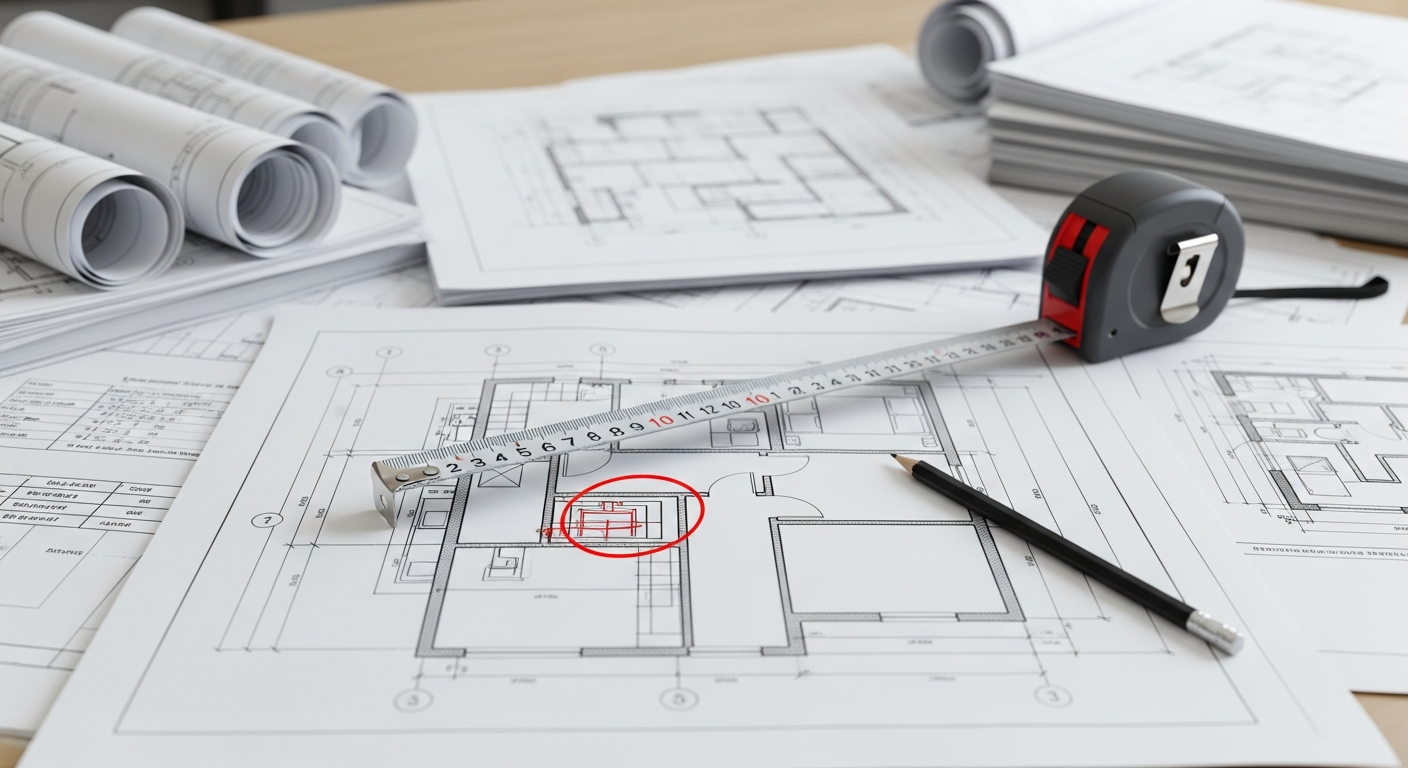
Proper planning is the foundation of a successful fireplace installation. Whether you're building a new home or renovating, understanding installation requirements, timelines, and costs prevents delays, budget overruns, and compliance issues. This comprehensive guide covers everything you need to plan your fireplace installation in Romania.
Table of Contents
- Pre-Installation Checklist
- Structural Requirements
- Ventilation and Clearance Requirements
- Building Permits and Approvals
- Timeline Planning
- Cost Breakdown
- Preparing Your Home
- DIY vs Professional Installation
- What to Expect During Installation
- Post-Installation Checklist
Pre-Installation Checklist
Before you begin, ensure you've completed these essential steps.
Essential Pre-Installation Steps
1. Choose Your Fireplace- Select specific model and fuel type
- Verify it meets your needs (heat output, design)
- Confirm availability and lead times
- Understand all requirements
- Measure room dimensions accurately
- Check for existing chimney/flue
- Assess structural possibilities
- Identify constraints and limitations
- Confirm flue/chimney compatibility
- Check structural support availability
- Verify clearances can be met
- Ensure ventilation is adequate
- Get professional assessment if uncertain
- Review manufacturer specifications
- Understand installation requirements
- Check local building codes
- Verify permit requirements
- Plan for compliance
- Get product cost
- Get installation quotes
- Plan for permits and inspections
- Budget for finishing work
- Include contingency (20%)
- Research qualified installers
- Get multiple quotes
- Check credentials and insurance
- Verify experience with your fireplace type
- Review references
- Coordinate with other work (if applicable)
- Plan for product delivery
- Schedule installation dates
- Plan for inspections
- Allow buffer time
Structural Requirements
Understanding structural needs prevents problems and ensures safe installation.
Wall Support Requirements
Built-in Fireplaces:- Require structural wall support
- May need reinforced framing
- Load-bearing capacity must be verified
- Professional structural assessment recommended
- May need engineering calculations
- Require ceiling or wall mounting
- Structural support essential
- Engineering assessment mandatory
- Must verify load capacity
- Complex structural work
- Less structural work required
- Still need proper floor support
- May need floor reinforcement
- Clearance requirements apply
- Simpler than built-in
Floor Requirements
Weight Considerations:- Fireplaces are heavy (200-800kg+)
- Floor must support weight
- May need reinforcement
- Check floor construction
- Professional assessment if uncertain
- Non-combustible hearth required (wood)
- Size depends on fireplace type
- Materials: stone, tile, metal
- Must extend beyond fireplace
- Check manufacturer requirements
- Wood-burning: Hearth extends 30-50cm in front, 15-25cm on sides
- Gas: May need less protection
- Electric: Usually minimal requirements
- Check specifications for your model
Ceiling Requirements
Clearance Distances:- Minimum clearance to ceiling
- Varies by fireplace type
- Typically 80-120cm for wood
- Check manufacturer specifications
- Must be maintained
- Suspended fireplaces need ceiling support
- Must verify structural capacity
- Engineering assessment required
- May need reinforcement
- Professional installation essential
Foundation Considerations
New Builds:- Plan fireplace location early
- Include in foundation design
- Plan for flue/chimney
- Coordinate with architect
- Saves money and time
- Assess foundation capacity
- May need reinforcement
- Check for adequate support
- Professional assessment recommended
- Plan modifications if needed
Ventilation and Clearance Requirements
Proper ventilation and clearances are essential for safety and performance.
Ventilation Requirements
Why Ventilation Matters:- Removes combustion gases
- Provides oxygen for combustion
- Prevents carbon monoxide buildup
- Ensures efficient operation
- Critical for safety
- Adequate air supply needed
- Varies by fireplace type
- Wood needs more ventilation
- Gas needs proper venting
- Electric needs minimal ventilation
- Natural ventilation (windows, vents)
- Mechanical ventilation (fans)
- Direct vent systems (gas)
- Proper room airflow
- Professional assessment
Clearance Distances
To Combustible Materials:- Minimum distances required
- Varies by fireplace type and model
- Must be strictly followed
- Prevents fire risk
- Check manufacturer specifications
- Walls: 50-100cm minimum
- Ceiling: 80-120cm minimum
- Furniture: 100-150cm minimum
- Varies by model - Always check specifications
- Walls: 30-50cm minimum
- Ceiling: 50-80cm minimum
- Furniture: 50-100cm minimum
- Varies by system - Check requirements
- Measure available space
- Verify clearances can be met
- Plan furniture placement
- Consider room layout
- Ensure compliance
Flue/Chimney Requirements
Flue Installation:- Must meet fireplace requirements
- Proper sizing essential
- Correct height needed
- Professional installation required
- Compliance with regulations
- Existing chimney assessment
- New chimney installation
- Flue lining requirements
- Height above roofline
- Proper termination
Building Permits and Approvals
Understanding permit requirements prevents compliance issues.
When Permits Are Required
Typically Required For:- New fireplace installations
- Structural modifications
- Flue/chimney installation
- Gas line installation
- Electrical work (some cases)
- Simple electric fireplace (plug-in)
- Some minor modifications
- Replacement of existing (sometimes)
- Check local regulations
Permit Process
Steps to Obtain Permits:- Research Requirements - Check local building codes
- Prepare Documentation - Plans, specifications, drawings
- Submit Application - To local building department
- Pay Fees - Permit fees vary (€100-€500 typically)
- Wait for Approval - Usually 1-4 weeks
- Schedule Inspections - During and after installation
- Site plans
- Fireplace specifications
- Installation plans
- Structural calculations (if needed)
- Installer credentials
- Compliance certificates
Inspections
Types of Inspections:- Pre-installation: Structural, electrical, gas (if applicable)
- During installation: Progress checks
- Final inspection: Compliance verification
- Gas inspection: Gas line and connections
- Chimney inspection: Flue/chimney compliance
- Schedule inspections in advance
- Coordinate with installer
- Allow time for corrections
- Final inspection before use
- Keep inspection certificates
- Local building inspectors
- Gas company (gas installations)
- Certified professionals
- Fire department (sometimes)
- Insurance inspectors (sometimes)
Compliance Requirements
Building Codes:- Local building regulations
- Fire safety codes
- Electrical codes (if applicable)
- Gas codes (if applicable)
- Environmental regulations
- EU regulations for wood/pellet
- Efficiency requirements
- Emission standards
- Applies to new installations
- Check model compliance
- Professional installation often required
- Compliance certificates needed
- May affect coverage
- Keep all documentation
- Inform insurer
Timeline Planning
Understanding timelines helps coordinate your project and set realistic expectations.
Typical Installation Timelines
Electric Fireplace:- Planning and permits: 0-2 weeks
- Installation: Hours to 1 day
- Inspection: 1-2 days
- Total: 1-3 weeks
- Planning and permits: 1-3 weeks
- Installation: 1-2 days
- Inspection: 2-3 days
- Total: 2-4 weeks
- Planning and permits: 2-4 weeks
- Gas line installation: 1-2 days
- Fireplace installation: 1-2 days
- Inspection: 2-3 days
- Total: 4-6 weeks
- Planning and permits: 2-4 weeks
- Chimney assessment: 1 week
- Installation: 2-4 days
- Inspection: 3-5 days
- Total: 4-6 weeks
- Planning and permits: 2-4 weeks
- Flue installation: 3-7 days
- Fireplace installation: 2-4 days
- Inspection: 3-5 days
- Total: 6-10 weeks
- Planning and permits: 3-6 weeks
- Structural work: 1-2 weeks
- Installation: 1-2 weeks
- Inspection: 1 week
- Total: 8-12 weeks
Factors Affecting Timeline
Planning Phase:- Permit processing time
- Design and specification finalization
- Product availability and delivery
- Installer scheduling
- Coordination with other work
- Complexity of installation
- Structural work required
- Flue/chimney work needed
- Weather conditions (outdoor work)
- Unforeseen issues
- Inspector availability
- Compliance issues requiring corrections
- Multiple inspections needed
- Documentation requirements
- Final approval process
Timeline Planning Tips
Start Early:- Begin planning 2-3 months before desired completion
- Research and choose fireplace early
- Get permits early
- Book installer in advance
- Plan for buffer time
- Align with other renovation work
- Coordinate product delivery
- Schedule inspections efficiently
- Plan for finishing work
- Allow flexibility
- Understand realistic timelines
- Plan for potential delays
- Have backup plans
- Communicate with all parties
- Be patient with process
Cost Breakdown
Understanding all costs prevents budget surprises.
Product Costs
Electric Fireplaces:- Range: €300-€2,000
- Average: €500-€1,000
- High-end: €1,500-€2,000
- Range: €1,500-€8,000
- Average: €3,000-€5,000
- High-end: €6,000-€8,000+
- Range: €2,000-€15,000+
- Average: €4,000-€8,000
- High-end: €10,000-€50,000+
- Range: €2,500-€8,000
- Average: €4,000-€6,000
Installation Costs
Simple Electric:- Installation: €0-€500 (often DIY)
- Electrical work: €200-€500 (if needed)
- Total: €0-€1,000
- Installation: €500-€1,500
- Gas connection check: €100-€200
- Total: €600-€1,700
- Installation: €500-€1,500
- Gas line installation: €500-€2,000
- Total: €1,000-€3,500
- Installation: €1,000-€2,500
- Chimney assessment/cleaning: €200-€500
- Flue modifications: €500-€2,000 (if needed)
- Total: €1,700-€5,000
- Installation: €1,000-€2,500
- Flue installation: €2,000-€5,000
- Total: €3,000-€7,500
- Suspended: €3,000-€15,000+
- Custom built-in: €2,000-€10,000+
- Structural modifications: €1,000-€10,000+
Additional Costs
Permits and Inspections:- Building permits: €100-€500
- Inspections: €100-€300
- Gas inspection: €100-€200
- Total: €300-€1,000
- Surround materials: €500-€5,000+
- Hearth materials: €200-€2,000
- Mantel: €300-€3,000
- Finishing labor: €500-€2,000
- Total: €1,500-€12,000+
- Site preparation: €200-€1,000
- Furniture moving/protection: €100-€500
- Cleanup: €100-€300
- Contingency (20%): Variable
Total Cost Examples
Basic Electric Installation:- Product: €800
- Installation: €300
- Total: €1,100
- Product: €3,500
- Installation: €1,200
- Permits: €300
- Finishing: €1,000
- Total: €6,000
- Product: €5,000
- Installation: €2,000
- Flue: €3,500
- Permits: €400
- Finishing: €2,000
- Total: €12,900
Preparing Your Home
Proper preparation makes installation smoother and protects your home.
Room Preparation
Before Installation:- Clear area around installation site
- Move furniture away
- Remove wall decorations
- Protect flooring and furniture
- Create clear access path
- Cover floors with protective materials
- Cover furniture with sheets
- Protect walls near work area
- Secure valuable items
- Clear work area completely
- Clear path from entrance to installation site
- Ensure installer can access area
- Remove obstacles
- Plan for material delivery
- Consider door and hallway widths
Structural Preparation
If Structural Work Needed:- Coordinate with installer
- May need to open walls
- Plan for dust and debris
- Temporary barriers may be needed
- Plan for cleanup
- Ensure gas/electric available
- May need temporary shutoff
- Plan for utility connections
- Coordinate with utility companies
- Schedule appropriately
Timeline Preparation
Coordinate Schedules:- Plan installation dates
- Coordinate with other work
- Plan for product delivery
- Schedule inspections
- Allow buffer time
- Plan for noise and disruption
- May need to vacate area
- Plan for temporary inconvenience
- Inform family/neighbors
- Plan for cleanup time
DIY vs Professional Installation
Understanding when DIY is possible and when professionals are essential.
When DIY May Be Possible
Electric Fireplaces:- Simple plug-in models
- No flue or venting required
- Basic electrical knowledge sufficient
- Follow manufacturer instructions
- Still recommend professional for complex wiring
- Pre-fabricated systems
- Clear instructions provided
- No structural work needed
- No permits required
- Basic skills sufficient
- Must follow all safety requirements
- Must meet building codes
- May void warranties
- Insurance considerations
- Safety risks if done incorrectly
When Professional Installation is Essential
Always Required For:- Gas fireplaces (safety critical)
- Wood-burning fireplaces (safety and compliance)
- Any flue/chimney work
- Structural modifications
- Complex installations
- Expensive fireplaces
- Compliance requirements
- Insurance requirements
- Warranty protection
- Peace of mind
Benefits of Professional Installation
Safety:- Proper installation prevents hazards
- Compliance with codes
- Safety inspections
- Reduced risk
- Peace of mind
- Experienced installers
- Proper techniques
- Quality workmanship
- Warranty protection
- Long-term reliability
- Meets building codes
- Proper permits
- Inspections handled
- Documentation provided
- Insurance compliance
- Problem resolution
- Warranty support
- Maintenance guidance
- Ongoing support
- Professional advice
What to Expect During Installation
Understanding the installation process reduces stress and helps you prepare.
Installation Day Preparation
Before Installer Arrives:- Area cleared and prepared
- Access available
- Utilities ready
- Questions prepared
- Plan to be available
- Installer will work methodically
- May need to ask questions
- May need access to various areas
- Some noise and disruption expected
- Process takes time
Typical Installation Process
Day 1: Preparation- Site assessment
- Marking and measurements
- Preparation work
- Material organization
- Structural work (if needed)
- Flue/chimney work (if needed)
- Fireplace installation
- Connections and testing
- Final adjustments
- Testing and verification
- Cleanup
- Final walkthrough
What Installers Need
Access:- Clear path to installation site
- Access to utilities
- Room to work
- Adequate lighting
- Safe working conditions
- Your preferences
- Room usage plans
- Any concerns
- Questions answered
- Decisions made
- Be available for questions
- Make decisions promptly
- Provide access as needed
- Respect work area
- Be patient with process
Post-Installation Checklist
After installation, ensure everything is complete and working properly.
Immediate Checks
Functionality:- Fireplace operates correctly
- All controls work
- Heat output as expected
- No unusual sounds or odors
- Everything functions properly
- Clearances maintained
- Ventilation adequate
- Safety systems working
- No visible problems
- Professional verification
- Installation looks good
- Finishing work complete
- No damage to home
- Clean and tidy
- Meets expectations
Documentation
Receive:- Installation certificate
- Warranty documentation
- Operation manual
- Maintenance schedule
- Inspection certificates
- All documentation
- Receipts and invoices
- Warranty information
- Contact information
- For insurance and records
Final Steps
Learn Operation:- Understand controls
- Learn proper operation
- Understand maintenance needs
- Know safety procedures
- Ask questions
- Plan annual service
- Schedule chimney cleaning (wood)
- Understand maintenance schedule
- Keep maintenance records
- Plan for ongoing care
- Use fireplace safely
- Follow operation guidelines
- Maintain properly
- Enjoy warmth and ambiance
- Contact installer if issues
Common Installation Issues
Understanding potential problems helps you avoid or address them.
Issue 1: Delays
Causes:- Permit delays
- Product delivery delays
- Weather (outdoor work)
- Unforeseen problems
- Inspector availability
- Start planning early
- Order products early
- Get permits early
- Plan for buffer time
- Communicate with all parties
Issue 2: Budget Overruns
Causes:- Unforeseen problems
- Additional work needed
- Change orders
- Underestimated costs
- Hidden issues discovered
- Get detailed quotes
- Plan for contingency (20%)
- Get professional assessment
- Avoid change orders
- Understand all costs
Issue 3: Compliance Issues
Causes:- Code violations
- Incorrect installation
- Missing permits
- Non-compliance
- Inspection failures
- Work with professionals
- Get proper permits
- Follow codes
- Professional installation
- Proper inspections
FAQ
Q: How long does installation take?A: Simple electric installations take hours to 1 day. Gas installations take 1-3 days. Wood-burning installations take 2-7 days. Complex installations can take 1-3 weeks. Timeline depends on complexity, permits, and work required.
Q: Do I need building permits?A: Usually yes for new installations, structural work, and flue/chimney installation. Simple electric fireplaces may not require permits. Check local building department for requirements.
Q: Can I install a fireplace myself?A: Simple electric fireplaces may be DIY-friendly. Gas and wood-burning installations require professional installation for safety and compliance. Always check local regulations and manufacturer requirements.
Q: How much does installation cost?A: Costs vary significantly: Electric €0-€1,000, Gas €600-€3,500, Wood-burning €1,700-€7,500+. Complex installations cost more. Get detailed quotes for your specific situation.
Q: What preparation is needed?A: Clear installation area, move furniture, ensure access, protect home, coordinate utilities, plan timeline. Installer will guide specific preparation needs.
Q: What if I discover problems during installation?A: Professional installers handle common issues. Major problems may require additional work and costs. Good planning and assessment minimize surprises.
Q: How do I choose an installer?A: Research qualified installers, check credentials and insurance, get multiple quotes, verify experience with your fireplace type, review references, choose licensed professionals.
Q: What happens after installation?A: Final testing and verification, walkthrough and instruction, receive documentation, schedule inspections, learn operation, plan maintenance. Installer should provide complete handover.
Q: What if installation doesn't meet expectations?A: Discuss concerns with installer immediately. Professional installers address issues. Document problems. Use warranty if applicable. Most issues can be resolved.
Q: How do I maintain my fireplace after installation?A: Follow manufacturer maintenance schedule, annual professional service, regular cleaning, proper operation, address issues promptly. Installer should provide maintenance guidance.
Next Steps
Now that you understand installation planning:
- Assess your situation - Space, requirements, constraints
- Choose your fireplace - Select model and fuel type
- Get professional assessment - Verify feasibility
- Plan your budget - Understand all costs
- Get permits - Check requirements and apply
- Choose installer - Research and select professional
- Schedule installation - Coordinate timeline
- Prepare your home - Get ready for installation
Related Guides
Get Professional Help
Proper installation planning ensures success. Our team can help:
- Assess your space and requirements
- Verify feasibility
- Recommend suitable products
- Connect you with qualified installers
- Plan your installation
Proper planning prevents problems. By understanding installation requirements, timelines, and costs, you can ensure a smooth installation process and enjoy your fireplace for years to come.