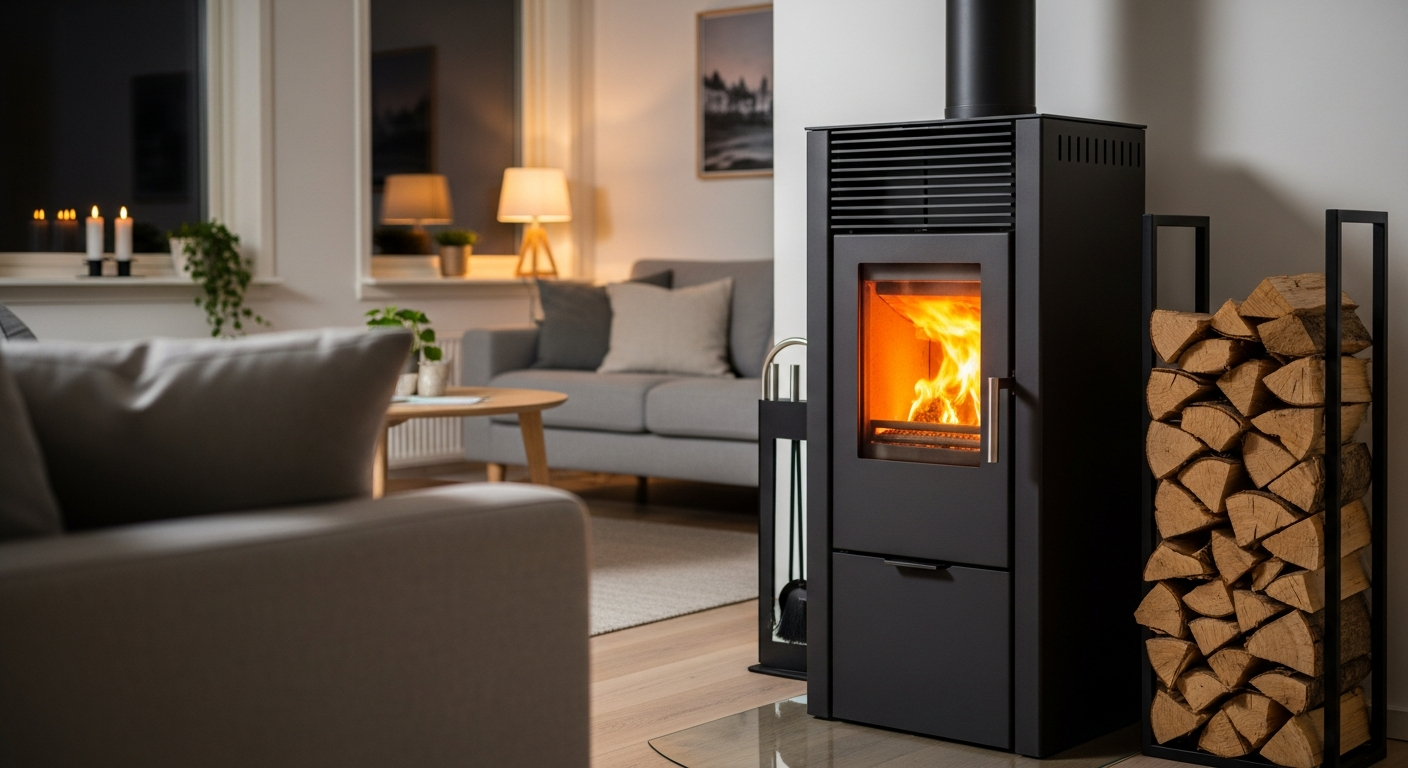
Pellet stoves offer exceptional efficiency, automated operation, and clean burning. This comprehensive guide helps you choose the right pellet stove for your Romanian home, covering efficiency, features, installation, costs, and everything you need to know.
Why Choose Pellet Stoves?
Advantages
Exceptional Efficiency:- 80-90% efficiency (highest available)
- Excellent heat output
- Lower fuel consumption
- Maximum efficiency
- Best efficiency option
- Hopper-fed system
- Automatic fuel feed
- Programmable thermostat
- Set and forget operation
- Very convenient
- Low emissions
- Minimal ash
- Clean operation
- Better than wood
- Environmentally friendly
- Automated fuel feed
- Consistent heat output
- Reliable operation
- Predictable performance
- Dependable
- High heat output (5-12 kW)
- Suitable for large spaces
- Can heat whole house
- Primary heat capability
- Excellent heating
Considerations
Installation Requirements:- Requires flue/venting
- Professional installation needed
- More complex than electric
- Installation costs
- Structural considerations
- Need storage space
- Pellets must stay dry
- Storage planning needed
- Space requirement
- Storage considerations
- Needs power for operation
- Won't work during outages
- Dependent on electricity
- Backup heating needed
- Electrical requirement
- More expensive than wood stoves
- Higher upfront investment
- Consider total cost
- Plan budget
- Investment decision
How Pellet Stoves Work
Operation Mechanism
Fuel System:- Pellets stored in hopper
- Automatic feed to burn pot
- Controlled fuel delivery
- Automated system
- Convenient operation
- Pellets burned in burn pot
- Air forced through for efficiency
- Heat extracted efficiently
- Exhaust vented outside
- Clean combustion
- Convection blower circulates heat
- Efficient heat distribution
- Whole-room heating
- Excellent performance
- Effective heating
- Programmable thermostat
- Automatic operation
- Set desired temperature
- Maintains temperature
- User-friendly
Key Components
Hopper:- Stores pellets
- Automatic feed system
- Various sizes available
- Larger = longer burn
- Important feature
- Where pellets burn
- Efficient combustion
- Easy to clean
- Important component
- Regular maintenance
- Extracts heat efficiently
- Transfers to room
- High efficiency
- Critical component
- Performance key
- Circulates heat
- Distributes warmth
- Efficient distribution
- Important feature
- Performance factor
Efficiency Advantages
Why Pellet Stoves Are So Efficient
High Efficiency Ratings:- 80-90% efficiency typical
- Highest efficiency available
- Maximum heat from fuel
- Excellent performance
- Best efficiency option
- Optimal fuel-air ratio
- Consistent operation
- Maximum efficiency
- Better than manual
- Optimized performance
- Efficient burning
- Minimal waste
- Maximum heat extraction
- Excellent efficiency
- Optimal performance
- Efficient heat exchangers
- Maximum heat transfer
- Excellent performance
- High efficiency
- Best heat extraction
Efficiency Comparison
vs Wood Stoves:- Pellet: 80-90% efficiency
- Wood: 70-85% efficiency
- Pellet more efficient
- Better fuel use
- Lower consumption
- Pellet: 80-90% efficiency
- Gas: 70-90% efficiency
- Comparable efficiency
- Pellet often better
- Excellent comparison
- Pellet: 80-90% efficiency
- Electric: 30-40% overall (generation)
- Pellet much better
- More efficient
- Better value
Pellet Storage and Sourcing
Pellet Storage
Storage Requirements:- Must stay dry
- Protected storage needed
- Adequate space required
- Plan storage area
- Critical requirement
- Original bags (if dry)
- Sealed containers
- Dry storage area
- Protect from moisture
- Proper storage essential
- Plan for season's supply
- Typically 1-2 tons
- Depends on usage
- More for primary heat
- Plan accordingly
- Keep dry
- Protect from moisture
- Store off ground
- Proper ventilation
- Rotate stock
Pellet Sourcing in Romania
Availability:- Available in Romania
- Check local suppliers
- May need to order
- Plan supply
- Ensure availability
- Use quality pellets
- Check pellet quality
- Avoid damaged pellets
- Quality matters
- Performance depends on quality
- €400-€1,000/year typical
- Depends on usage
- Varies by supplier
- Plan costs
- Budget accordingly
Automated Features
Convenience Features
Programmable Thermostat:- Set desired temperature
- Automatic operation
- Maintains temperature
- Very convenient
- Set and forget
- Program on/off times
- Automatic operation
- Convenient scheduling
- Energy saving
- User-friendly
- Control from distance
- Convenient operation
- Easy adjustment
- Modern feature
- User-friendly
- Easy starting
- Push-button start
- No manual lighting
- Convenient
- Easy operation
- Larger hopper = longer burn
- Less frequent filling
- More convenient
- Important feature
- Consider size
Installation Requirements
Flue/Venting Requirements
Venting Needed:- Requires flue/venting system
- Professional installation essential
- Proper sizing critical
- Safety critical
- Must be correct
- Through wall
- Through roof
- Existing chimney (if suitable)
- Various options
- Professional assessment
- More complex than electric
- Professional required
- Safety critical
- Proper installation essential
- Worth the investment
Electrical Requirements
Power Needs:- Requires electricity
- For controls and blowers
- Standard outlet usually sufficient
- Check requirements
- Ensure adequate supply
- Won't work during outages
- Consider backup heating
- Plan for outages
- Important consideration
- Be prepared
Cost Comparison vs Wood
Initial Costs
Pellet Stoves:- Range: €2,500-€8,000
- Average: €4,000-€6,000
- Higher than wood stoves
- More features
- Better technology
- Range: €1,500-€8,000
- Average: €3,000-€5,000
- Lower initial cost
- Simpler technology
- More basic
Running Costs
Pellet Stoves:- Pellets: €400-€1,000/year
- Electricity: €50-€100/year
- Total: €450-€1,100/year
- Wood (purchased): €400-€1,200/year
- Wood (self-sourced): €200-€600/year
- Total: €200-€1,200/year
- Pellet: More predictable costs
- Wood: Can be cheaper if sourcing
- Pellet: More convenient
- Consider total cost of ownership
10-Year Total Cost
Pellet Stove:- Initial: €5,000
- Installation: €2,000
- Running (10 years): €7,500
- Maintenance: €2,500
- Total: €17,000
- Initial: €4,000
- Installation: €2,000
- Running (10 years): €8,000
- Maintenance: €4,000
- Total: €18,000
- Initial: €4,000
- Installation: €2,000
- Running (10 years): €4,000
- Maintenance: €4,000
- Total: €14,000
Best Pellet Stove Brands
Premium Brands
MCZ:- Italian quality
- Excellent efficiency
- Reliable performance
- Good features
- Well-regarded
- Italian engineering
- High quality
- Good efficiency
- Reliable
- Popular choice
Choosing the Right Pellet Stove
Decision Factors
1. Heat Output Needs:- Calculate room requirements
- Choose appropriate size
- Don't oversize
- Right size is efficient
- See Heat Output Calculator
- Larger = less frequent filling
- Consider convenience
- Balance size with needs
- Important feature
- Consider usage
- Programmable thermostat
- Remote control
- Timer functions
- Automatic features
- Choose based on needs
- Initial cost
- Running costs
- Total cost of ownership
- Plan budget
- Consider value
- Check local availability
- Plan fuel supply
- Consider costs
- Ensure supply
- Plan accordingly
FAQ
Q: How efficient are pellet stoves?A: 80-90% efficiency, highest available. Much more efficient than wood stoves and most other options. Excellent efficiency.
Q: Do pellet stoves need a flue?A: Yes. Pellet stoves require proper flue/venting system. Professional installation essential for safety and compliance.
Q: How much do pellets cost?A: €400-€1,000/year typical for regular use. Depends on usage, pellet prices, and efficiency. More predictable than wood.
Q: Do pellet stoves need electricity?A: Yes. Pellet stoves require electricity for controls, blowers, and automatic feed. Won't work during power outages.
Q: How often do I need to fill the hopper?A: Depends on hopper size and usage. Typically daily to every few days. Larger hoppers need less frequent filling.
Q: Are pellet stoves better than wood stoves?A: More efficient and convenient, but higher initial cost. Better for automated operation. Wood can be cheaper if sourcing yourself.
Q: Can pellet stoves heat a whole house?A: Yes, depending on house size and insulation. Many use pellet stoves as primary heat. Proper sizing essential.
Q: How much maintenance do pellet stoves need?A: Regular cleaning (burn pot, heat exchanger), annual service, ash removal. Less than wood, more than gas/electric.
Q: Where can I buy pellets in Romania?A: Check local suppliers, home improvement stores, online retailers. Available in Romania. Plan supply.
Q: Are pellet stoves safe?A: Yes, when properly installed and maintained. Professional installation essential. Follow safety guidelines and maintenance schedule.
Next Steps
Now that you understand pellet stoves:
- Calculate heat needs - Determine required output
- Check pellet availability - Verify supply locally
- Assess installation - Verify flue/venting possible
- Compare models - Research options and features
- Get professional advice - Book consultation for guidance
Related Guides
Explore Products
Pellet stoves offer exceptional efficiency and automated operation. With proper selection and installation, they provide excellent heating for Romanian homes. Book a consultation: Contact Seminee Dragon