Chimney & Flue Requirements for Fireplaces in Romania
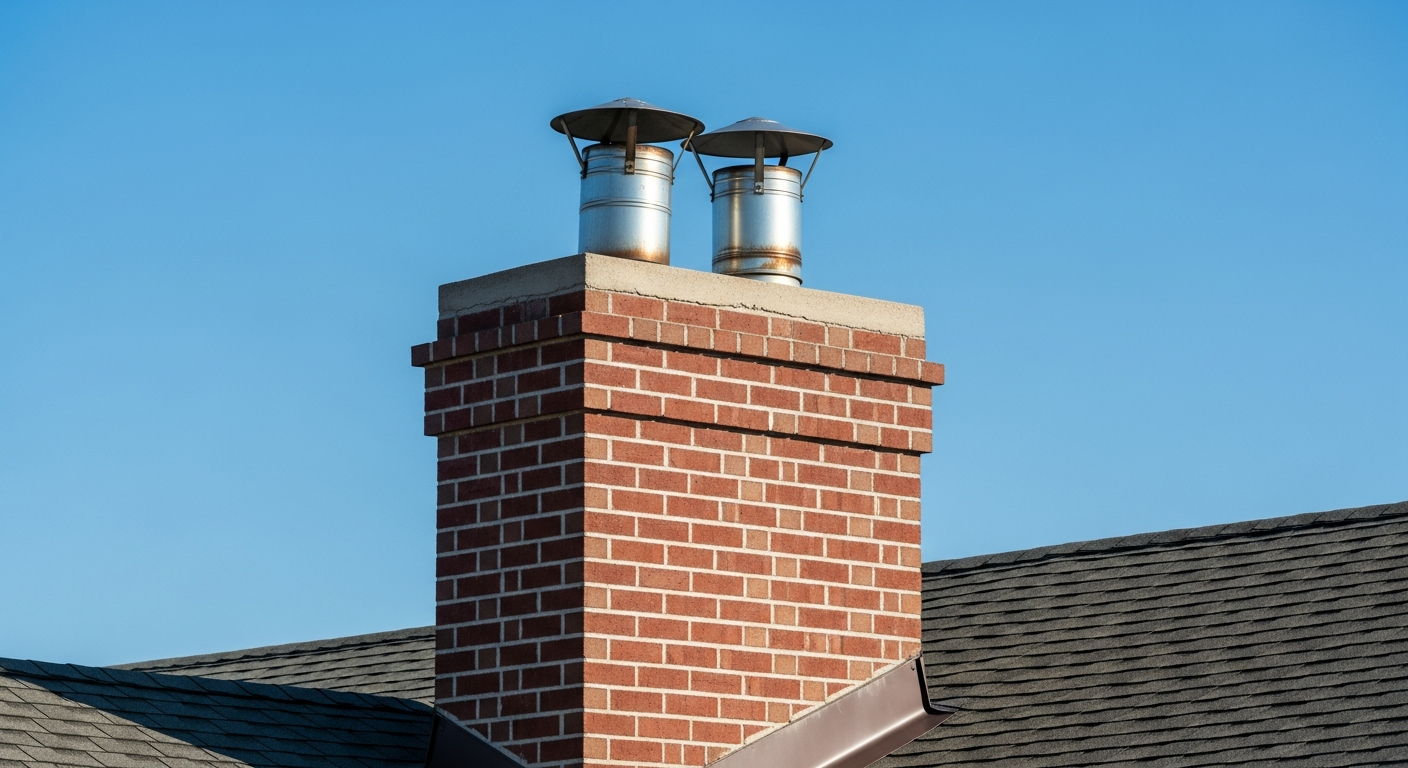
Understanding your chimney and flue situation is the foundation of choosing the right fireplace. This comprehensive guide explains everything you need to know about flue requirements, sizing, types, and compliance for Romanian homes.
Table of Contents
- Do You Need a Flue?
- Understanding Flue Systems
- Types of Flue Systems
- Flue Sizing Requirements
- Assessing Your Existing Chimney
- New Flue Installation
- Compliance and Regulations
- Common Problems and Solutions
- When Professional Assessment is Needed
Do You Need a Flue?
Not all fireplaces require a flue or chimney. Understanding which systems need venting is your first step.
Fireplaces That Require a Flue
Wood-Burning Fireplaces:- Almost always require a flue/chimney
- Must vent smoke and gases safely
- Requires proper draft for operation
- Open fireplaces need larger flues
- Closed systems can use smaller flues
- Most gas fireplaces require venting
- Direct vent systems vent directly outside
- Traditional vented systems use chimney/flue
- Vent-free options exist (subject to regulations)
- Require flue/venting system
- Typically smaller diameter than wood
- Must handle combustion gases
- Requires proper draft
- Larger bioethanol fireplaces may need venting
- Depends on size and output
- Check manufacturer requirements
- Smaller units often don't require flue
Fireplaces That Don't Require a Flue
Electric Fireplaces:- No flue or venting required
- Simply plug in and use
- No combustion, no venting needed
- Perfect for apartments
- No flue required
- Must have adequate room ventilation
- Room needs airflow (not sealed)
- Check manufacturer requirements
- No flue required
- Subject to local regulations
- May be restricted in some areas
- Requires proper room ventilation
Understanding Flue Systems
What is a Flue?
A flue is a passage that carries combustion gases from your fireplace to the outside. It serves critical functions:
Safety Functions:- Removes dangerous gases (carbon monoxide, smoke)
- Prevents indoor air pollution
- Reduces fire risk
- Protects indoor air quality
- Creates draft for efficient burning
- Removes smoke and odors
- Maintains proper airflow
- Ensures efficient operation
How Flues Work
Draft Principle:- Hot gases rise naturally
- Creates upward airflow (draft)
- Draws air into fireplace
- Removes combustion products
- Flue height (taller = better draft)
- Flue diameter (must match appliance)
- Outside temperature (colder = better draft)
- Wind conditions
- Flue condition and obstructions
Types of Flue Systems
Understanding different flue types helps you assess what you have or what you need.
Masonry Chimneys
Characteristics:- Traditional brick or stone construction
- Built as part of home structure
- Durable and long-lasting
- Common in older Romanian homes
- May need assessment and lining
- Permanent and durable
- Good thermal mass
- Traditional appearance
- Can last decades
- May need lining for modern appliances
- Can deteriorate over time
- Sizing may not match modern requirements
- Assessment needed before use
- Condition check (cracks, deterioration)
- Sizing verification (diameter)
- Lining assessment (may need stainless steel liner)
- Height verification
- Obstruction check
Metal Flue Systems
Stainless Steel Flues:- Modern, efficient systems
- Can be installed in new builds or retrofits
- Double-wall or single-wall options
- Insulated options available
- Long-lasting and durable
- Precise sizing available
- Efficient draft
- Can be installed where masonry isn't possible
- Good for modern appliances
- Insulated options reduce heat loss
- Higher initial cost than masonry
- Requires professional installation
- May need regular inspection
- Can be visible (aesthetic consideration)
- Double-wall: Insulated, better performance
- Single-wall: Simpler, lower cost
- Flexible: Can retrofit into existing chimneys
Flexible Flue Liners
Characteristics:- Stainless steel flexible tubing
- Retrofits into existing chimneys
- Improves efficiency and safety
- Must match appliance requirements
- Professional installation required
- Existing masonry chimney needs improvement
- Old chimney needs modernizing
- Sizing needs correction
- Safety improvements needed
- Improves existing chimneys
- Better efficiency
- Enhanced safety
- Can correct sizing issues
- Extends chimney life
- Requires professional installation
- Adds cost to project
- Reduces flue diameter slightly
- Must match appliance exactly
Prefabricated Chimney Systems
Characteristics:- Factory-built systems
- Modular components
- Designed for specific applications
- Professional installation required
- Can be installed in various configurations
- Engineered for performance
- Consistent quality
- Easier installation than masonry
- Good efficiency
- Warranty coverage
- Higher cost than basic systems
- Requires professional installation
- Less flexibility than custom masonry
- May have aesthetic limitations
Flue Sizing Requirements
Correct flue sizing is critical. Wrong size causes poor performance, safety issues, and compliance problems.
Diameter Requirements
Wood-Burning Fireplaces:- Open fireplaces: Typically 180-200mm diameter
- Closed fireplaces: Typically 150-180mm diameter
- Stoves: Typically 120-150mm diameter
- Varies by model - Always check manufacturer specifications
- Direct vent: Typically 100-150mm diameter
- Traditional vented: Typically 100-150mm diameter
- Varies by system - Check manufacturer requirements
- Typically 80-120mm diameter
- Smaller than wood systems
- Check specific model requirements
Height Requirements
Minimum Height:- Typically 4-5 meters minimum
- Must extend above roof line
- Height affects draft quality
- Taller generally better (within limits)
- Too short: Poor draft, smoke problems
- Optimal: 4-6 meters above appliance
- Very tall: May need draft stabilizer
- Above roof: Must extend properly above roofline
- Extend at least 0.6m above roofline
- Higher if near roof obstacles
- Must clear roof by safe distance
- Prevents downdraft issues
Sizing for Your Appliance
Critical Steps:- Choose your fireplace first - Know exact requirements
- Check manufacturer specs - Required flue diameter and height
- Assess existing flue - Does it match requirements?
- Plan modifications - If existing doesn't match, plan changes
- Never guess - Wrong sizing causes serious problems
Assessing Your Existing Chimney
If you have an existing chimney, proper assessment is essential before choosing a fireplace.
Visual Inspection Checklist
Exterior Inspection:- Check for visible damage or cracks
- Look for missing mortar or loose bricks
- Check chimney cap condition
- Verify height above roofline
- Check for obstructions (bird nests, debris)
- Check flue condition (cracks, deterioration)
- Look for obstructions or blockages
- Check for creosote buildup (wood use)
- Verify flue is clear and open
- Measure flue diameter
- Flue diameter (at narrowest point)
- Flue height (from appliance to top)
- Chimney condition
- Clearance to combustibles
Professional Assessment
When Professional Assessment is Essential:- Buying expensive fireplace (don't risk mistakes)
- Uncertain about condition
- Planning significant investment
- Safety concerns
- Compliance requirements
- Detailed condition report
- Sizing verification
- Lining requirements
- Modification needs
- Cost estimates
- Safety evaluation
New Flue Installation
If you don't have a flue or need a new one, understanding installation options helps planning.
Installation Options
Through Existing Structure:- Install flue through existing chimney (if present)
- May need to create opening
- Requires structural work
- More complex but integrated
- Install flue on exterior wall
- Runs up outside of building
- Less structural work
- Visible (aesthetic consideration)
- Install flue through roof
- Requires roof penetration
- Professional work essential
- Proper sealing critical
Installation Costs
Basic Installation:- Simple flue installation: €1,500-€3,000
- Includes materials and labor
- Standard height and configuration
- Professional installation
- Multiple floors: €3,000-€5,000+
- Complex routing: €2,500-€4,500
- Structural modifications: €1,000-€5,000+
- High-end systems: €4,000-€8,000+
- Flue height and complexity
- Routing difficulty
- Structural work needed
- System type chosen
- Local labor costs
Installation Timeline
Standard Installation:- Planning and permits: 1-2 weeks
- Installation work: 1-3 days
- Inspection and completion: 1-2 days
- Total: 2-4 weeks
- Planning and permits: 2-4 weeks
- Installation work: 3-7 days
- Inspection and completion: 2-3 days
- Total: 4-8 weeks
Compliance and Regulations
Understanding compliance requirements prevents problems and ensures safety.
Building Regulations in Romania
General Requirements:- Local building codes apply
- Permits may be required for new installations
- Professional installation often mandatory
- Inspections may be needed
- Compliance certificates required
- Flue must meet safety standards
- Proper clearances required
- Professional installation required for gas/wood
- Building permits for structural work
- Compliance with fire safety codes
EcoDesign Compliance
EU Regulations:- Applies to wood-burning appliances
- Efficiency and emission standards
- Applies to new installations
- Check model compliance before purchase
- Minimum efficiency requirements
- Maximum emission limits
- Applies to wood and pellet systems
- Ensures environmental compliance
- Verify appliance meets EcoDesign
- Check certification documents
- Ensure installer understands requirements
- Keep documentation for records
Insurance Considerations
Inform Your Insurer:- Notify insurer of installation
- Professional installation often required
- May affect coverage
- Keep all documentation
- Installation certificates
- Compliance documentation
- Professional installer details
- Inspection reports
- May affect premiums
- Ensures coverage validity
- Protects in case of claims
- Demonstrates due diligence
Common Problems and Solutions
Understanding common flue problems helps you avoid or address them.
Problem 1: Wrong Flue Diameter
Symptoms:- Poor draft, smoke problems
- Inefficient burning
- Appliance doesn't work properly
- Install flexible liner to correct size
- Replace flue section
- Choose different appliance matching existing flue
- Professional assessment needed
Problem 2: Blocked or Obstructed Flue
Symptoms:- Smoke backing into room
- Poor draft
- Inefficient operation
- Professional cleaning required
- Remove obstructions (nests, debris)
- Check for creosote buildup
- Verify flue is clear
Problem 3: Insufficient Height
Symptoms:- Poor draft
- Smoke problems
- Downdraft issues
- Extend flue height
- Install draft stabilizer
- Modify roofline clearance
- Professional assessment needed
Problem 4: Deteriorated Masonry
Symptoms:- Visible cracks or damage
- Poor performance
- Safety concerns
- Install flexible liner
- Repair masonry
- Replace flue section
- Professional assessment essential
Problem 5: Poor Draft
Symptoms:- Smoke in room
- Inefficient burning
- Difficulty starting fire
- Insufficient height
- Wrong diameter
- Obstructions
- Outside conditions
- Competing airflows
- Professional assessment
- Correct sizing issues
- Remove obstructions
- Install draft stabilizer if needed
- Address ventilation issues
When Professional Assessment is Needed
While basic understanding helps, professional assessment is valuable in many situations.
Situations Requiring Professional Assessment
Before Major Purchase:- Expensive fireplace investment
- Want to avoid costly mistakes
- Need certainty about feasibility
- Planning significant project
- Don't know flue condition
- Uncertain about sizing
- Haven't used chimney in years
- Previous problems or concerns
- New flue installation needed
- Structural modifications required
- Complex routing needed
- Multiple options to evaluate
- Need to ensure compliance
- Building permit requirements
- Insurance considerations
- Want professional documentation
What Professional Assessment Provides
Detailed Evaluation:- Flue condition assessment
- Sizing verification
- Compatibility check
- Safety evaluation
- Modification recommendations
- Installation options
- Cost estimates
- Timeline planning
- Compliance guidance
- Product recommendations
- Written assessment report
- Compliance documentation
- Installation requirements
- Safety evaluation
- Recommendations
FAQ
Q: Do all fireplaces need a chimney?A: No. Electric fireplaces and most bioethanol fireplaces don't require a flue. Wood-burning fireplaces and most gas systems require proper venting. Always check manufacturer requirements.
Q: Can you help if I don't know what I have?A: Yes. Share photos and basic measurements, and we can guide you on next steps. For accurate assessment, professional evaluation is recommended, especially before major purchases.
Q: Is a site survey required?A: Not always. Many projects can be assessed remotely using photos and measurements. However, complex installations or uncertain situations benefit from professional site assessment. We'll advise when it's needed.
Q: What if my existing flue is the wrong size?A: Options include installing a flexible liner to correct size, modifying the flue, or choosing a different fireplace that matches your existing flue. Professional assessment helps determine the best approach.
Q: How much does a new flue cost?A: Basic installation typically costs €1,500-€3,000. Complex installations can cost €3,000-€8,000+. Cost depends on height, routing complexity, and system type chosen.
Q: Can I install a flue myself?A: No. Flue installation requires professional expertise for safety and compliance. Incorrect installation creates serious safety risks and may violate building codes and insurance requirements.
Q: How do I know if my chimney needs lining?A: Professional assessment determines this. Signs that may indicate need for lining include old masonry, sizing issues, or deterioration. Modern appliances often require lining for optimal performance and safety.
Q: What's the minimum flue height?A: Typically 4-5 meters minimum, but requirements vary by appliance. Flue must extend properly above roofline (minimum 0.6m). Check manufacturer specifications for your chosen appliance.
Q: Can I use an existing chimney for a different fuel type?A: Sometimes, but assessment is needed. Converting from wood to gas may be possible with proper sizing and modifications. Converting to different fuel types requires professional evaluation.
Q: How often should flues be inspected?A: Annual inspection is recommended for wood-burning systems. Gas systems benefit from annual service. Visual inspection can be done more frequently. Professional inspection ensures safety and identifies issues early.
Next Steps
Now that you understand flue requirements:
- Assess your situation - Do you have a flue? What condition is it in?
- Choose your fireplace - Consider flue requirements when selecting
- Get professional assessment - Essential for major purchases
- Plan installation - Understand timeline and costs
- Ensure compliance - Check regulations and get permits
Related Guides
Explore Fireplaces by Flue Requirements
- Wood-burning fireplaces (require flue)
- Gas fireplaces (most require venting)
- Electric fireplaces (no flue needed)
- Bioethanol fireplaces (usually no flue)
Need help assessing your flue situation? Our expert team can evaluate your chimney and recommend the right fireplace options. Book a consultation for professional guidance.