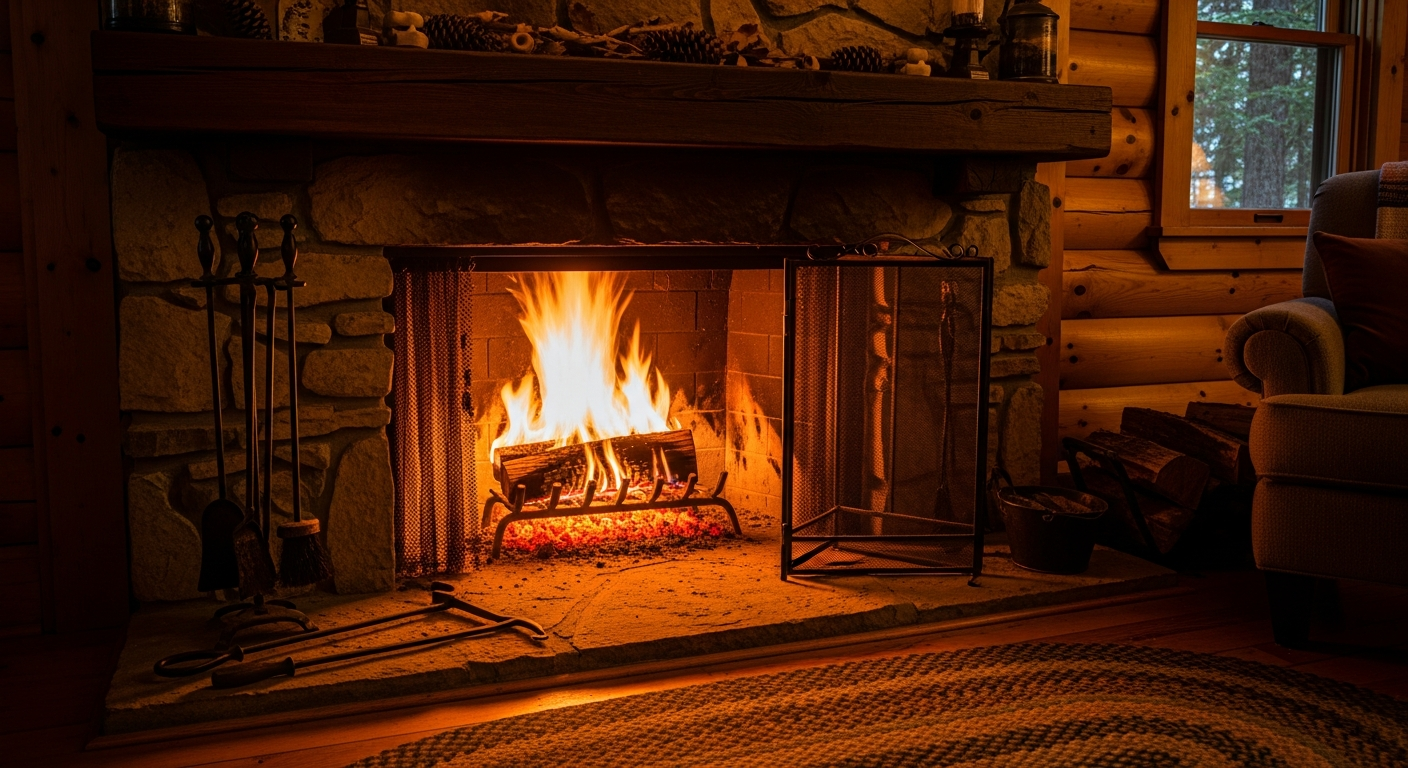
Wood-burning fireplaces offer authentic flames, substantial heat output, and traditional ambiance. This comprehensive guide helps you choose the right wood-burning fireplace for your Romanian home, covering types, efficiency, brands, costs, and everything you need to know.
Why Choose Wood-Burning?
Advantages
Authentic Experience:- Real flames and crackling sounds
- Traditional fireplace ambiance
- Natural wood scent
- Most authentic fireplace experience
- Creates true focal point
- Can produce substantial heat (4-15 kW)
- Suitable for primary heating
- Heats large rooms effectively
- Can heat whole house (with proper system)
- Excellent for cold Romanian winters
- Can source wood yourself (rural areas)
- Lower cost if you have wood access
- Self-sufficient heating option
- Can be very economical
- Works during power outages
- Modern closed systems: 70-85% efficiency
- EcoDesign compliant models available
- High-efficiency options
- Can be very efficient with right system
- Better than old open fireplaces
Considerations
Installation Requirements:- Requires compliant flue/chimney
- More complex installation
- Higher installation costs
- May need structural work
- Professional installation essential
- Annual chimney cleaning needed
- Regular ash removal
- Wood storage required
- More hands-on maintenance
- Requires attention and care
- Need wood storage space
- Must source or purchase wood
- Handling and loading required
- Ash disposal needed
- Less convenient than other options
Types of Wood-Burning Fireplaces
Open Fireplaces
Characteristics:- Traditional open design
- Large viewing area
- Lower efficiency (10-30%)
- More heat lost up chimney
- Classic appearance
- Decorative use primarily
- Occasional ambiance
- Traditional aesthetic preference
- Large rooms where heat loss acceptable
- Those prioritizing visual appeal
- Low efficiency
- High fuel consumption
- More heat loss
- Requires larger flue
- Not suitable as primary heat
Closed Fireplaces
Characteristics:- Glass doors enclose fire
- Much higher efficiency (60-85%)
- Better heat retention
- Controllable air intake
- Modern designs available
- Primary heating needs
- Better efficiency desired
- Modern aesthetic preference
- Those wanting heat output
- Practical daily use
- Much more efficient
- Better heat output
- Controllable operation
- Safer (glass protection)
- Lower fuel consumption
Fireplace Inserts
Characteristics:- Fits into existing fireplace opening
- Improves efficiency dramatically
- Can transform old fireplaces
- Requires proper sizing
- Modern technology in traditional space
- Renovating existing fireplaces
- Improving efficiency
- Updating aesthetics
- Keeping traditional look
- Cost-effective upgrade
- Can improve from 10-30% to 70-85%
- Significant fuel savings
- Better heat output
- More control
- Worth the investment
Wood Stoves
Characteristics:- Freestanding units
- Very high efficiency (70-85%)
- Excellent heat output
- Automated features available
- Practical daily heating
- Primary heating needs
- Maximum efficiency desired
- Practical daily use
- Whole-house heating
- Cost-effective heating
- Highest efficiency
- Excellent heat output
- Practical operation
- Lower fuel consumption
- Great value
Efficiency Ratings Explained
Understanding Efficiency
Efficiency Definition:- Percentage of wood energy converted to heat
- Higher efficiency = more heat from same wood
- Lower efficiency = more wood wasted
- Modern systems: 70-85% efficiency
- Old open fireplaces: 10-30% efficiency
Efficiency Ratings
Open Fireplaces:- Efficiency: 10-30%
- Much heat lost up chimney
- High fuel consumption
- Not suitable as primary heat
- Primarily decorative
- Efficiency: 60-85%
- Much better heat retention
- Lower fuel consumption
- Suitable for heating
- Good efficiency
- Efficiency: 70-85%
- Highest efficiency option
- Excellent heat output
- Lowest fuel consumption
- Best for heating
EcoDesign Compliance
EU Regulations:- Applies to new wood-burning appliances
- Minimum efficiency requirements
- Maximum emission limits
- Ensures environmental compliance
- Required for new installations
- Higher efficiency
- Lower emissions
- Better environmental impact
- Lower fuel costs
- Future-proof investment
- Verify model meets EcoDesign
- Check certification documents
- Ensure compliance before purchase
- Required for new installations
Wood Storage and Sourcing in Romania
Wood Types Available
Hardwoods:- Oak, beech, ash
- Higher heat output
- Longer burn time
- More expensive
- Best for heating
- Pine, fir, spruce
- Easier to light
- Faster burn
- Less expensive
- Good for kindling
- Mix hardwoods and softwoods
- Hardwoods for main burn
- Softwoods for starting
- Use appropriate sizes
- Store properly
Sourcing Wood
Self-Sourcing (Rural Areas):- Can be very economical
- Requires land/access
- Time investment
- Need to season properly
- Best if you have access
- More convenient
- Higher cost
- Ensure quality (dry, seasoned)
- Check moisture content
- Plan for costs
- Local suppliers available
- Check quality and price
- Verify wood is seasoned
- Plan delivery
- Compare options
Wood Storage
Storage Requirements:- Covered storage area
- Off ground (pallets/platform)
- Allow air circulation
- Protect from rain/snow
- Adequate space needed
- Plan for season's supply
- Typically 3-5 cubic meters
- Depends on usage
- More for primary heating
- Less for occasional use
- Wood needs 6-12 months to dry
- Moisture content: 15-20% ideal
- Dry wood burns efficiently
- Wet wood wastes energy
- Plan seasoning time
- Stack properly
- Allow air flow
- Cover top (not sides)
- Keep off ground
- Rotate stock (oldest first)
Maintenance Requirements
Regular Maintenance
Daily/Weekly:- Remove ashes when cool
- Clean glass doors (if applicable)
- Check for issues
- Monitor operation
- Basic cleaning
- Deep clean firebox
- Check components
- Inspect for damage
- Clean around fireplace
- Verify operation
- Professional chimney cleaning (essential)
- Complete inspection
- Component check
- Efficiency check
- Address any issues
Chimney Cleaning
Frequency:- Annual minimum
- More if heavy use
- Before each season
- Essential for safety
- Prevents creosote buildup
- Remove creosote buildup
- Clear obstructions
- Check flue condition
- Verify clear passage
- Safety inspection
- Typically €100-€300
- Varies by complexity
- Worth the investment
- Essential for safety
- Prevents expensive problems
Component Maintenance
Firebox:- Check for cracks/damage
- Clean regularly
- Inspect refractory materials
- Address issues promptly
- Maintain properly
- Clean glass regularly
- Check seals
- Verify operation
- Replace if damaged
- Maintain properly
- Check air controls
- Verify operation
- Lubricate if needed
- Replace if broken
- Maintain functionality
Best Brands for Wood Fireplaces
Premium European Brands
Focus:- Iconic suspended designs
- Modern aesthetics
- High quality
- Premium positioning
- Design-focused
- Belgian design
- Minimalist aesthetic
- High efficiency
- Modern technology
- Quality craftsmanship
- Scandinavian design
- Excellent efficiency
- Modern aesthetics
- Good value
- Popular choice
- German engineering
- High quality
- Good efficiency
- Reliable performance
- Well-regarded
- Precision engineering
- Architectural solutions
- Modern designs
- High quality
- Professional grade
Choosing a Brand
Considerations:- Design preference
- Efficiency requirements
- Budget
- Availability
- Service support
- Warranty
- Compare models
- Read reviews
- Check specifications
- Verify availability
- Consider service
Cost of Ownership
Initial Costs
Product Cost:- Basic models: €2,000-€4,000
- Mid-range: €4,000-€8,000
- High-end: €8,000-€15,000
- Designer: €15,000-€50,000+
- With existing chimney: €1,000-€3,000
- With new flue: €3,000-€7,500
- Complex installations: €5,000-€15,000+
Annual Running Costs
Wood Costs:- Self-sourced: €200-€600/year
- Purchased: €400-€1,200/year
- Depends on usage and sourcing
- Varies significantly
- Plan accordingly
- Chimney cleaning: €100-€300/year
- Service/repairs: €100-€300/year
- Total: €200-€600/year
10-Year Total Cost Example
Mid-Range Wood Fireplace:- Initial: €6,000
- Installation: €3,000
- Running (10 years): €8,000 (purchased wood)
- Maintenance: €4,000
- Total: €21,000
- Initial: €6,000
- Installation: €3,000
- Running (10 years): €4,000
- Maintenance: €4,000
- Total: €17,000
Choosing the Right Wood Fireplace
Decision Factors
1. Primary Use:- Decorative → Open fireplace
- Heating → Closed fireplace or stove
- Both → Closed fireplace
- Maximum efficiency → Wood stove
- Good efficiency → Closed fireplace
- Decorative → Open fireplace
- Built-in space → Fireplace
- Flexible placement → Stove
- Existing fireplace → Insert
- Lower budget → Basic models
- Mid-range → Good quality options
- Higher budget → Premium brands
- Low maintenance → Consider other options
- Regular maintenance → Wood suitable
- Professional service → Wood suitable
Size Selection
Heat Output:- Calculate room requirements
- Don't oversize
- Right size is more efficient
- See Heat Output Calculator
- Larger = longer burn time
- But needs more wood
- Balance size with needs
- Consider usage patterns
Installation Requirements
Flue/Chimney Requirements
Essential:- Compliant flue/chimney required
- Proper sizing critical
- Height requirements
- Professional assessment needed
- See Chimney & Flue Guide
Clearances
Typical Clearances:- Walls: 50-100cm minimum
- Ceiling: 80-120cm minimum
- Furniture: 100-150cm minimum
- Check manufacturer specifications
- Must be maintained
Ventilation
Room Ventilation:- Adequate air supply needed
- Prevents CO buildup
- Ensures efficient operation
- Critical for safety
- Plan properly
FAQ
Q: What's the difference between open and closed wood fireplaces?A: Open fireplaces have no doors (10-30% efficiency). Closed fireplaces have glass doors (60-85% efficiency). Closed are much more efficient and better for heating.
Q: Do I need a chimney for a wood fireplace?A: Yes, almost always. Wood fireplaces require proper flue/chimney to vent smoke and gases safely. Very few exceptions exist.
Q: How much does wood cost?A: Costs vary: Self-sourced €200-€600/year, purchased €400-€1,200/year. Depends on usage, wood type, and sourcing method.
Q: How often does chimney need cleaning?A: Annual cleaning is essential minimum. More frequent cleaning if heavy use. Before each season is recommended.
Q: Can I use any type of wood?A: Use dry, seasoned wood. Hardwoods (oak, beech) provide more heat. Softwoods (pine) are good for starting. Avoid treated or painted wood.
Q: What's EcoDesign compliance?A: EU regulations requiring minimum efficiency and maximum emissions for new wood appliances. Required for new installations. Check model compliance.
Q: How efficient are wood fireplaces?A: Open fireplaces: 10-30%. Closed fireplaces: 60-85%. Wood stoves: 70-85%. Modern closed systems are much more efficient.
Q: Can a wood fireplace heat my whole house?A: Possibly, depending on house size, insulation, and fireplace output. Many use wood fireplaces as primary heat. Proper sizing and system design essential.
Q: How much maintenance do wood fireplaces need?A: Regular ash removal, annual chimney cleaning, component checks, and proper operation. More maintenance than gas/electric but manageable.
Q: Are wood fireplaces safe?A: Yes, when properly installed, maintained, and operated. Follow safety guidelines, maintain clearances, clean chimney annually, use dry wood, ensure proper ventilation.
Next Steps
Now that you understand wood-burning fireplaces:
- Assess your needs - Heating vs decorative, efficiency priority
- Check feasibility - Verify chimney/flue situation
- Calculate requirements - Determine heat output needs
- Compare options - Research types and brands
- Get professional advice - Book consultation for guidance
Related Guides
- Complete Fireplace Buying Guide
- Fireplace vs Stove Guide
- Chimney & Flue Requirements
- Heat Output Calculator
Explore Products
Wood-burning fireplaces offer authentic experience and substantial heat. With proper selection, installation, and maintenance, they provide excellent heating and ambiance for Romanian homes. Book a consultation: Contact Seminee Dragon